Free Missed Calls Calculator
See exactly how much revenue you're losing from unanswered calls, weekly, monthly, and annually. Free.
A plumbing business captures after-hours callers by making sure the phone is answered at any hour and five details are taken every time: name and number, address, what’s happening, whether the water is off, and how urgent it is. Voicemail doesn’t do this - almost nobody leaves a message. The realistic options are an on-call rotation, a live answering service, or a 24/7 AI receptionist, and they differ mainly in what they cost in money and sleep.
Plumbing is the extreme case of the after-hours problem. Nobody discovers a burst pipe at a convenient time. The emergencies that pay best - burst pipes, failed tanks, sewage backing up - cluster in evenings, weekends, and cold snaps, precisely when the phone is least likely to be answered.
The economics of the 2am call
Emergency call-outs carry premium rates for a reason, and the caller expects to pay them. That makes each after-hours call worth a multiple of a daytime inquiry - and makes losing one costlier.
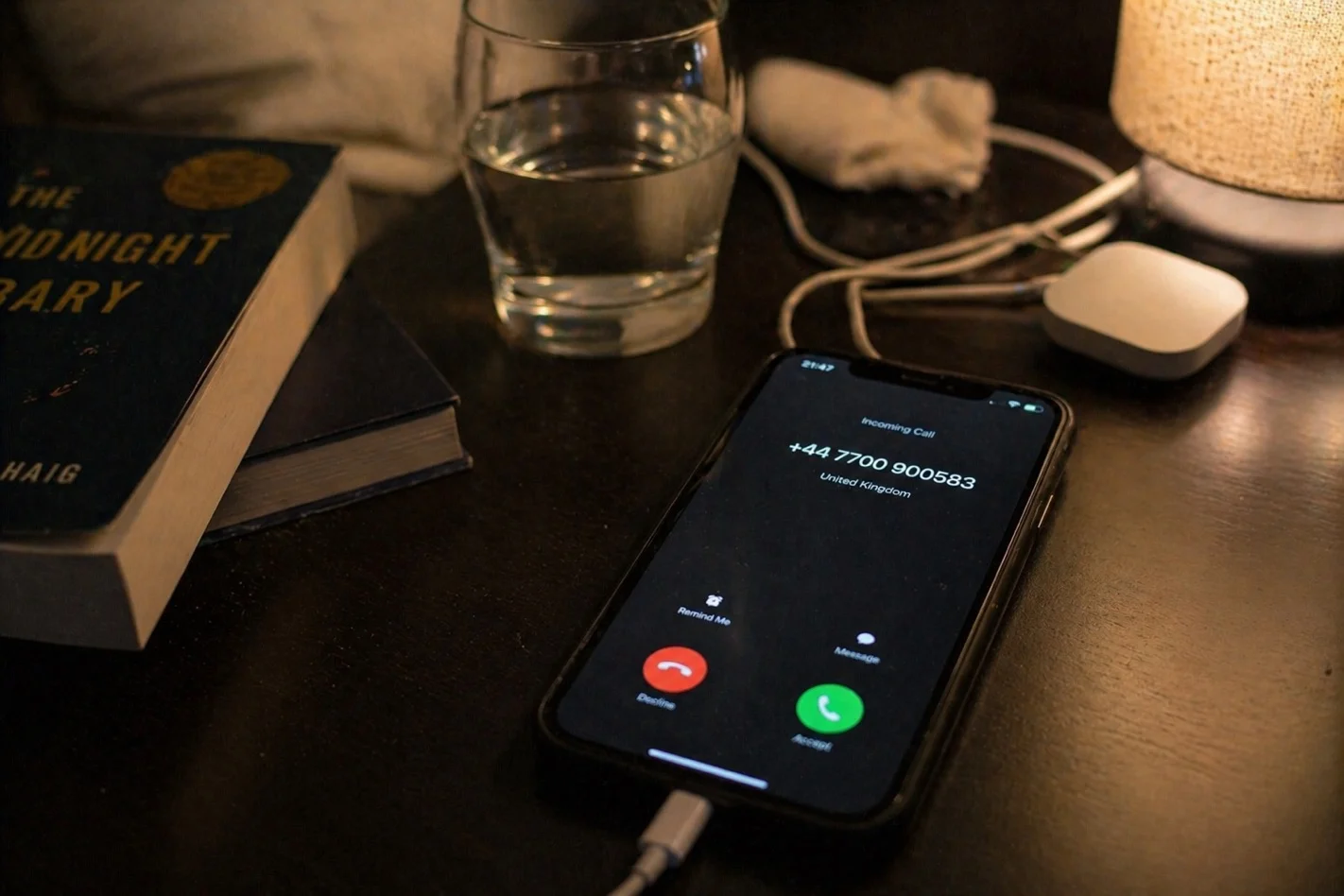
And they are lost, silently. Invoca’s research found roughly one in four calls to small businesses goes unanswered and fewer than 3% of callers leave a voicemail. For a plumbing emergency the voicemail rate is effectively zero: someone with water coming through the ceiling doesn’t compose a message - they hang up and dial the next plumber in the results. The first business that answers gets the job; being the better plumber never enters into it. It’s the same pattern we found across trades in the calls you miss at 6pm - after-hours callers are disproportionately high-intent.
Run your own numbers with the missed calls calculator: even one lost emergency a week is a four-figure annual hole.
What “capturing the caller’s details” actually means for plumbing
A message that says “someone called about a leak” is worthless at 7am. A useful after-hours capture answers the triage questions:
- Who and where - name, callback number, full property address.
- What’s happening - burst pipe, blocked drain, no heating or hot water, leaking appliance, sewage.
- Is it contained? - is water still escaping; does the caller know where the stop tap is; has it been turned off.
- Anything dangerous? - water near electrics, ceilings bulging, more than one property affected.
- When do they need someone - now, first thing, or “this week” (a surprising share of after-hours callers are non-urgent; they’re calling when they discovered the problem, not when they need you on site).
With those five captured, the plumber can triage from bed: wake up for the genuine emergency, book everything else into tomorrow. Without them, every missed ring is a coin-flip job loss and every callback starts from zero.
The three ways to cover the night
1. On-call rotation. Someone’s phone stays on. Free in cash, expensive in everything else: interrupted sleep for wrong numbers and boiler-quote tire-kickers, resentment in a small team, and no coverage at all when the on-call phone is in a dead spot under a floor. Works best for firms big enough to rotate fairly - which most aren’t.
2. Live answering service. Human operators answer in your name around the clock and email a message over. Genuine 24/7 plans typically run $150–$300+ per month, usually with per-minute or per-call charges that climb exactly when a cold snap fills the phone. Quality varies with whoever’s on shift, and generic operators often don’t know to ask whether the stop tap is off. We compare the model in detail in AI receptionist vs live answering service.
3. AI receptionist. Software answers every call instantly, at any hour, in a natural voice - asks the triage questions above, flags urgency, and sends a structured summary to your phone before the caller has put theirs down. Flat pricing (Clara starts at $39.99/month, 7-day free trial, keep your existing number via call forwarding), no per-minute fees, and it answers three simultaneous calls during a freeze as easily as one. See how it handles plumbing specifically on our AI receptionist for plumbers page.
The honest trade-off: a distressed caller gets a competent capture from an AI, not human reassurance. If your after-hours line regularly carries complex or emotional conversations, a human service earns its premium. For the standard emergency pattern - what, where, how bad, how fast - the AI does the same capture at a tenth of the cost and never has a bad shift.
What good looks like
Whichever option you pick, hold it to this standard:
- Every call answered - midnight, Christmas, cold snap.
- The five triage details captured, every time, in a format you can act on.
- Urgent flagged as urgent, so you’re only woken for the jobs that pay for the wake-up.
- The quote-and-question callers booked for tomorrow instead of lost tonight.
- A cost that doesn’t climb with call volume.
One Clara customer’s first month is instructive: 68 calls came in, Clara handled 47 of them, and 16 became booked jobs that would previously have rung out. None of those callers heard voicemail. That’s the entire pitch for fixing after-hours answering: the work already exists - it’s on the phone, at 9pm, deciding who gets it.