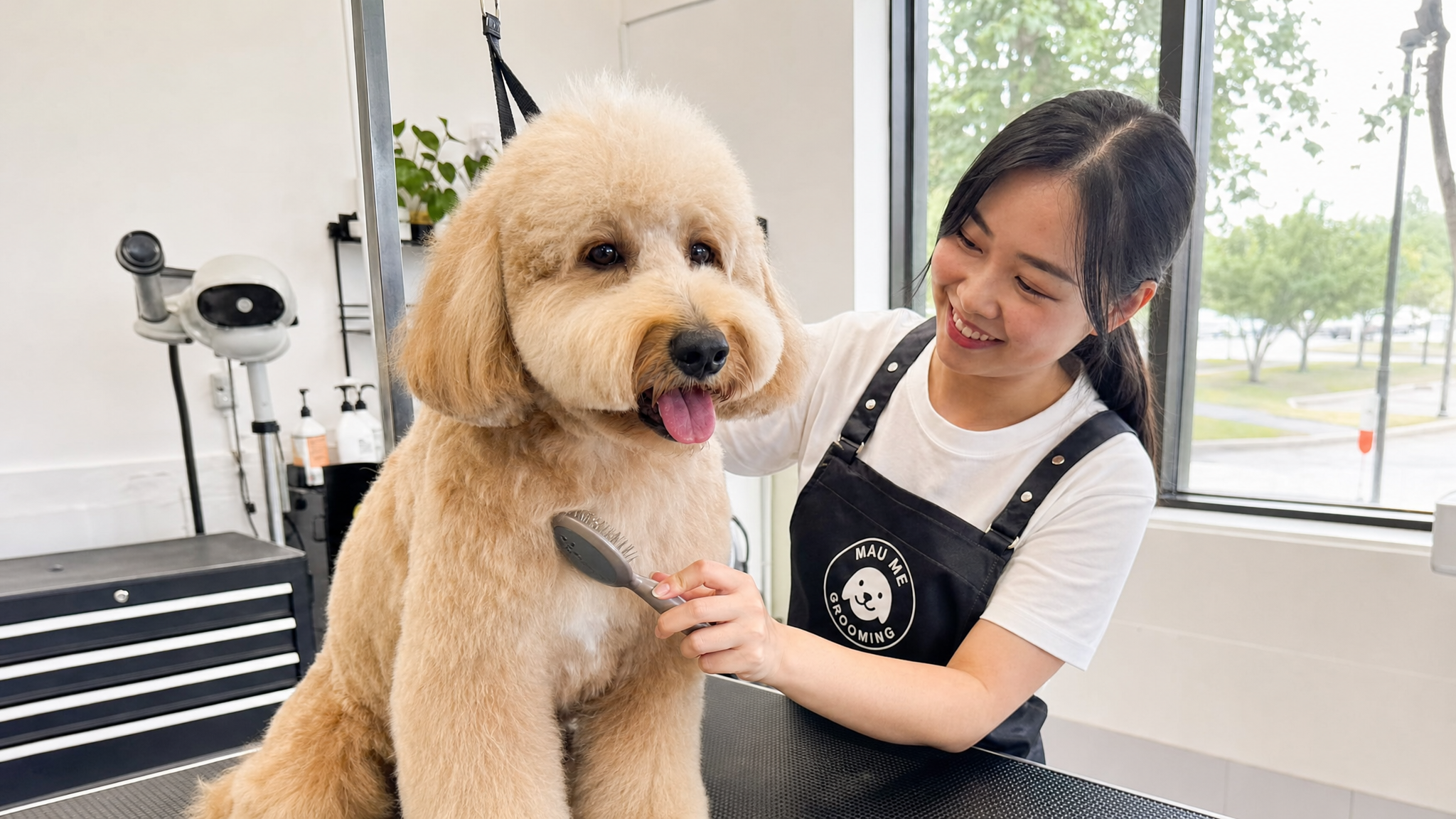
Dog groomers are booked out weeks in advance in most cities right now. The demand for mobile vets has gone through the roof since 2020. Pet sitting and dog walking businesses are multiplying faster than almost any other home-services category.
And yet the communities for people running these businesses - r/doggrooming, r/petsitting, various Facebook groups - are full of the same conversation on repeat: they’re losing bookings they shouldn’t be losing. Not to competitors. To the gap between when someone calls and when they hear back.
The Booking Window Is Tiny
Pet services has a specific version of a problem that affects most service businesses, but it’s more acute here than almost anywhere else.
When someone’s regular groomer has a gap, or their dog sitter cancels last minute, or their elderly dog needs a mobile vet visit - they need to find someone quickly. They’ll call two or three numbers. The first one to respond gets the booking. The others don’t hear back.
The difference between winning that client and not is often measured in minutes.
The problem is that a working groomer can’t pick up the phone mid-appointment. A mobile vet is usually driving or with a patient. A dog walker is, by definition, outside with someone else’s dog. These are not desk jobs. You can’t just answer every call.
So the calls go unanswered, the clients book elsewhere, and by the time you call back the slot’s gone.
No-Shows Are a Separate Problem
Missed incoming calls are one issue. No-shows are another, and they hit pet services businesses particularly hard.
A grooming appointment that goes unfilled on the day is money that doesn’t come back. The slot can’t be filled on short notice because most regular clients book ahead. You’ve held the time, prepared the space, and nothing shows up.
The pattern that tends to cause no-shows isn’t usually a client who decides not to come - it’s a client who forgot, or whose plans changed and they didn’t think to cancel. A confirmation message 24 hours before, and a reminder the morning of, eliminates a significant chunk of these.
Most pet services businesses know this. Many of them still do it manually - a round of texts the day before, another in the morning. It works, but it takes time out of every working day.
The Referral Problem
Pet owners talk to each other. A lot. The social networks around dog ownership in particular are dense - dog walkers, training groups, breed communities, neighborhood apps. A recommendation in one of these networks is worth more than almost any marketing spend.
But referrals only convert if the person being referred can actually be reached. “I’ll give you my groomer’s number” is worth nothing if the person calls, gets no answer, and doesn’t try again.
One groomer in a Facebook group described the frustration: “I get told all the time that someone recommended me. Then I check my missed calls and I see a number I don’t recognize from a few days ago. They didn’t leave a message. I have no idea who it was or whether they found someone else.”
The referral happened. The booking didn’t. The gap was a missed call.
What Actually Helps
A few things that make a material difference for pet services businesses specifically:
After-hours inquiry handling. A lot of pet services inquiries come in evenings and weekends - when people are at home, relaxed, thinking about their pets. If those calls go to voicemail, most of them don’t convert. An inquiry that gets a proper response - name, what kind of pet, what service, rough dates - is a booking waiting to happen.
Booking confirmation and reminders. Automating the 24-hour confirmation and same-morning reminder message is the single most effective no-show reduction tool in the category. Not a generic “your appointment is confirmed” - a message that says what the appointment is, when it is, and what to do if plans have changed.
Capturing context before the first appointment. First-time clients often have questions - breed, coat type, behavioural notes, health conditions for mobile vet visits. Getting that information before the appointment, rather than arriving cold, makes the first appointment go better. Better first appointments become repeat bookings.
The Part That’s Easy to Underestimate
Pet services clients are often more invested in the relationship than clients in other service categories. Their dog’s groomer, walker, or vet isn’t just a service provider - they’re someone who knows and cares about an animal that matters enormously to them.
That relationship starts with the first interaction. A missed call that doesn’t get followed up, a voicemail that goes unreturned - these don’t just cost a booking. They set a tone.
The businesses in pet services that build the strongest client bases tend to be the ones where every inquiry feels handled. Where someone calling for the first time gets a response that’s warm and informative. Where existing clients feel like they can reach you.
Clara handles calls for a number of pet services businesses - taking the details, answering common questions, routing the information so nothing falls through. It’s designed for exactly this kind of business: one where the person running it is never at a desk, always with a client or an animal, and has no good way to be available on the phone all the time.